
Cheltenham: How It All Began

By Will Reilly
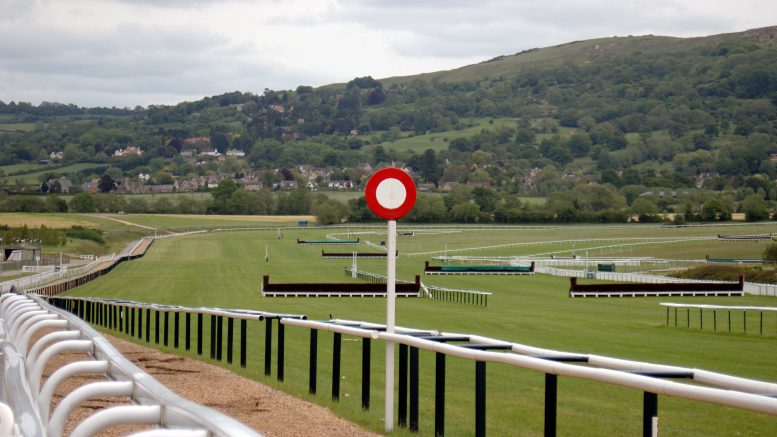
Racing at Cheltenham can boast a long and celebrated history. Its current venue, Prestbury Park, is neatly nestled in the shadow of the picturesque Cleeve Hill in the Cotswolds in Gloucestershire. While racing was first established on the hill in 1819, steeplechasing made its mark in 1834 with the inaugural running of the Grand Annual Steeplechase, which was first run in the Vale of Prestbury.
Over the years, Cheltenham hosted races at several venues, often accompanied by local festivities. Flat racing ended at Cheltenham in 1855, while the National Hunt Steeplechase, the final race on the opening day of the festival, debuted in the same year. It eventually found its permanent home at Prestbury Park in 1911, by which time it had become the third most valuable race in the British jumping calendar and the highlight of Cheltenham’s March meeting, which settled at Prestbury Park as its venue in 1902.
The Birth of the Cheltenham Gold Cup
In 1922, FH Cathcart, chairman of the track, believed that meetings filled solely with handicaps limited the appeal and quality of Cheltenham racing. The race committee responded by creating a contest where the best horses competed at level weights, with a nine-pound concession for five-year-olds. This became the Cheltenham Gold Cup, first run on 12 March 1924.
By the early 1930s, the Gold Cup had emerged as a cornerstone of the racing calendar, finally stepping out of the shadow of the Aintree Grand National. Cheltenham’s rising social significance owed much to Cathcart’s vision and the arrival of Golden Miller, who captured five successive Gold Cups from 1932. He also won the 1934 Aintree Grand National and his career and achievements earned him a permanent place in the public’s affection and racing’s history.
Ireland’s Influence
Irish trainers began making their mark post-World War II, notably with Prince Regent, trained by Tom Dreaper, winning the Gold Cup. Dreaper would later guide Arkle to three consecutive Gold Cups from 1964, widely regarded as the greatest chaser in the history of the sport.
Before Arkle, the legendary Vincent O’Brien made his mark, training Cottage Rake to three successive Gold Cups from 1948 and Hatton’s Grace to three consecutive Champion Hurdles from 1949 (the Champion Hurdle debuted in 1927). Between 1948 and 1955, O’Brien’s record included four Cheltenham Gold Cups, three Champion Hurdles, and three successive Aintree Grand Nationals, cementing his place among the sport’s all-time great trainers.
Cheltenham: Jump Racing’s Premier Event
Cheltenham’s March Festival has become the ultimate target for jump racing horses each season, often described as the sport’s equivalent of the Olympics. Championship races draw the best competitors, while the event itself is a major economic and social spectacle.
- The four-day festival generates around £275 million for the local economy.
- Off-course betting turnover ranges from £500 million to £1 billion.
- Attendance reaches 230,000 people, who consume vast quantities of locally produced food and drink, including tea, coffee, wine, beer, Guinness, beef, potatoes, and smoked salmon.
- Ryanair adds numerous flights from Ireland, accommodating approximately 55,000 extra passengers.
Legendary Horses and Jockeys
Cheltenham’s history is rich with iconic equine and human names:
- Arkle and Pat Taaffe
- Dawn Run and Jonjo O’Neill
- Istabraq and Charlie Swan
- Best Mate and Jim Culloty
- Galopin Des Champs and Paul Townend
- Honeysuckle and Rachael Blackmore
This year, Lossiemouth, trained by Willie Mullins, will be aiming for a fourth successive Festival win. Such horses heighten the anticipation and excitement for fans and punters alike.
Looking Ahead to the 2026 Festival
Everyone has their favourites, and the names above evoke warm memories and deep respect. The 2026 four-day Festival, starting on Tuesday, March 10th, promises the usual mix of hype, heartbreak, and heroism. It is sport at its finest: unscripted drama, athletic achievement, colourful spectacle, competitive yet sporting rivalry, and appreciative, knowledgeable crowds.
As history shows, Cheltenham will deliver excitement, unforgettable sporting moments, and a festival atmosphere like no other.
Earn €80 in Free Bets for Cheltenham
Join BAR 1 Betting before the start of the 2026 Cheltenham Festival and earn up to €80 in free bets! Full details on our Cheltenham sign-up offer can be viewed here.